The Significance of Electronics Reuse: Protecting the Ecosystem and Your Neighborhood
Electronics recycling plays a crucial role in protecting the environment and public well-being. Improper disposal of electronic waste poses significant risks, including hazardous contamination and resource depletion. By recovering valuable materials, recycling can reduce these threats and support eco-friendly methods. However, many individuals remain uninformed about the proper channels for disposal. Understanding the importance of responsible recycling is critical as communities face increasing electronic waste challenges. What steps can be taken to foster effective recycling practices?
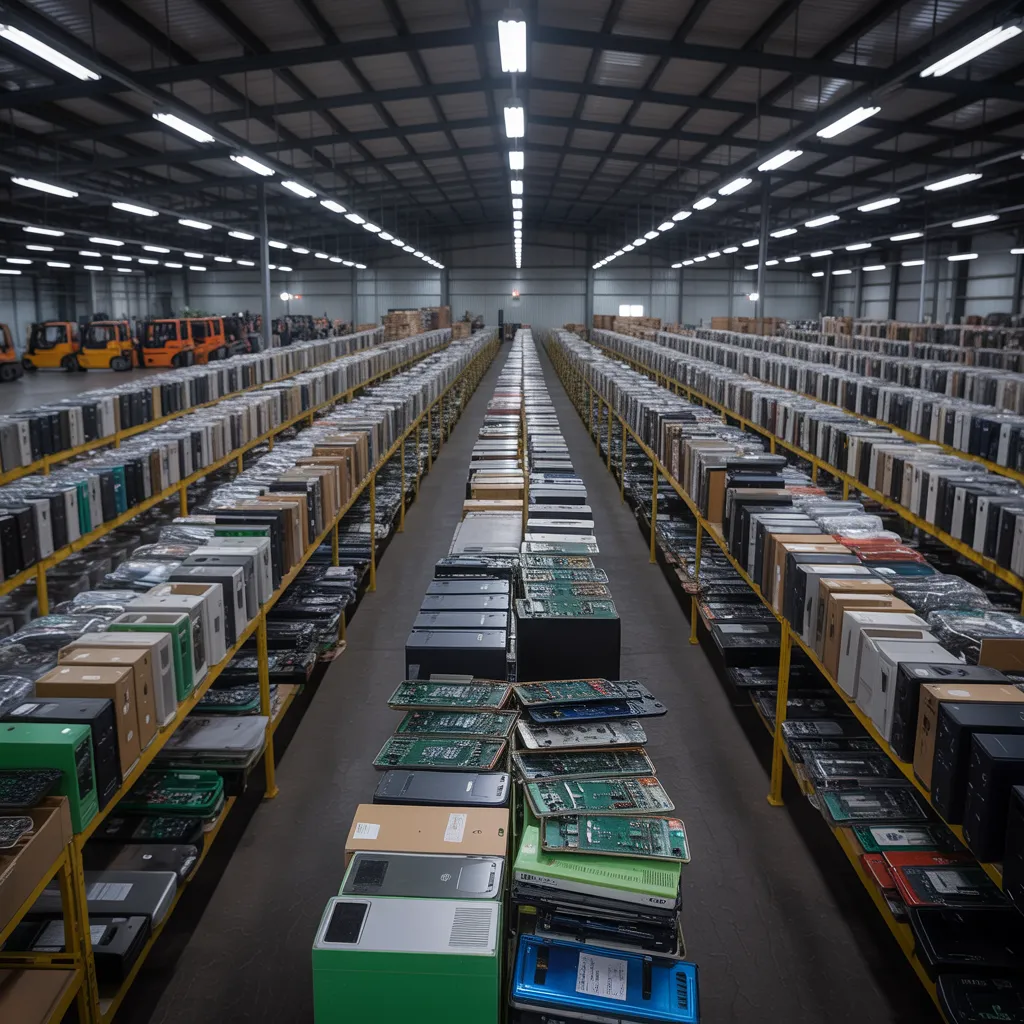
Why Electronics Recycling Is Important
Electronics reprocessing serves a crucial part in tackling environmental challenges. With the rapid advancement of technological innovation, electronic waste has become one of the fastest-growing waste streams globally. By recycling electronic devices, precious materials such as metal compounds, plastic materials, and glass can be retrieved and reused, decreasing the demand for mining and manufacturing new goods. This process preserves environmental assets and reduces energy usage, which in turn lowers carbon emissions.
Additionally, electronics recycling prevents hazardous materials contained in devices, including lead, mercury, and cadmium, from contaminating soil and water. Appropriate recycling processes ensure that these substances are handled in a safe way, safeguarding both ecosystems and human health. Moreover, encouraging recycling programs cultivates community understanding about environmental responsibility, encouraging responsible usage and disposal practices. By doing this, electronics recycling not only reduces environmental consequences but also supports a circular economy, creating a more sustainable future.
The Perils of Incorrect Electronic Waste Disposal
Incorrect disposal of electronic waste creates substantial risks to both the environment and public health. When electrical devices are discarded in waste sites, toxic materials such as lead, mercury, and cadmium can leach into the earth and groundwater, polluting local ecosystems. This not only jeopardizes wildlife but also poses serious safety concerns to communities dependent on contaminated water sources.
Additionally, combustion of electronic waste releases toxic fumes, adding to air pollution and respiratory issues among surrounding communities. The accumulation of electronic waste in landfills also intensifies the growing problem of waste handling, straining municipal resources.
Additionally, improper disposal deprives communities of the opportunity to reclaim valuable materials and lowers the efficiency of waste management overall. As the amount of electronic devices continues growing, the risks associated with their improper disposal become increasingly critical, emphasizing the urgent need for proper recycling methods.
Resources Obtained Through Electronics Recycling
Electronics recycling is vital in resource recovery by recovering precious resources such as metals and plastics. This procedure greatly reduces landfill waste, fostering a greener approach to electronic waste management. Additionally, recycling electronics saves power, contributing to environmental protection and resource efficiency.
Worthwhile Resource Restoration
Recycling electronic devices uncovers a treasure trove of valuable materials that can be recycled for different purposes. These materials contain rare metals such as gold, silver, and palladium, regularly present in circuit boards and connectors. Additionally, aluminum and copper are frequently sourced from casings and wiring, yielding resources for manufacturing new products. Rare earth elements, crucial to advanced technologies, can also be extracted, decreasing the need for environmentally damaging mining practices. By reclaiming these materials, electronics recycling not only conserves natural resources but also cuts down on the energy consumption associated with producing new materials. Ultimately, this process fosters a circular economy, driving sustainable practices while satisfying the demand for critical components in modern technology.
Reducing Landfill Waste
Converting unwanted electronics into valuable resources greatly reduces landfill waste. When electronic devices are recycled, precious materials such as metals, plastics, and glass are retrieved, minimizing the need for new raw materials. This process not only conserves natural resources but also substantially reduces the volume of waste sent to landfills. Electronics contain hazardous substances that can contaminate the environment, creating threats to soil and water quality. By reusing, communities can mitigate these dangers while promoting sustainability. Furthermore, electronics recycling programs encourage responsible disposal practices, fostering a culture of environmental stewardship. Ultimately, decreasing landfill waste through electronics recycling advantages both the planet and local communities, paving the way for a cleaner, healthier future.
Energy Preservation Benefits
Recovering precious resources via electronics recycling significantly helps energy conservation. By salvaging metals such as gold, copper, and aluminum, the energy necessary for mining and processing untouched materials is greatly valuable guide diminished. For example, recycling aluminum can save as much as 95% of the energy relative to producing it from raw ore. Furthermore, reclaiming plastics and other materials reduces the need for fossil fuels, which further lowers energy consumption. This recycling process also reduces greenhouse gas emissions linked to resource extraction and manufacturing. By taking part in electronics recycling initiatives, communities both conserve energy and support sustainable practices. This collective effort fosters a healthier environment and underscores the essential role of recycling in mitigating climate change impacts.
The way Recycling Minimizes your Carbon Footprint Impacts Emissions levels
Reducing the carbon footprint is an indispensable aim in the challenge against climatic disruption, and proficient waste electronics recycling constitutes a key element in meeting this purpose. By diverting discarded electronics away from landfills, recycling lessens greenhouse gas emissions connected to waste degradation. This practice also spares energy consumption, as recycling materials invariably calls for reduced energy when compared to constructing new products from raw materials.
Furthermore, recycling lowers the demand for mining and manufacturing, each of which are energy-intensive undertakings that play a major role in carbon emissions. The recovery of important metals and parts from old electronics works to seal the circuit in manufacturing cycles, continuing to reduce ecological damage.
In addition, when communities commit to electronics recycling, they foster a culture of environmental awareness, supporting sustainable purchasing and disposal approaches. In total, these undertakings function to mitigate climate change, establishing that recycling is not merely helpful, but fundamental for a more vibrant planet.
Tips for Uncover Community Electronic Equipment Recycling Programs
Finding local electronics recycling programs can be facilitated through various channels. Local government initiatives, nonprofit organizations, and retailer take-back programs often provide accessible options for disposing of outdated equipment. Each of these options plays a vital part in encouraging responsible disposal and reducing e-waste in communities.
Regional Government Efforts
As communities increasingly acknowledge the significance of proper electronics disposal, local governments are taking action to offer accessible recycling programs. Many municipalities now offer designated collection days or drop-off locations specifically for e-waste, ensuring that residents can easily dispose of unwanted devices. Additionally, some local governments collaborate with approved e-waste recyclers to ensure environmentally safe processing. Information about these initiatives is often found on city or county websites, where residents can find details on locations, accepted items, and scheduled events. By promoting these programs, local authorities aim to reduce landfill waste, curb hazardous material exposure, and encourage community awareness about the benefits of electronics recycling. Such initiatives play a important role in encouraging sustainable practices within the community.
Nonprofit Associations Contribution
Many nonprofit entities play a key role in promoting community e-waste management programs. These organizations commonly engage alongside local communities to establish collection events and communicate valuable information about recycling options. By cooperating with schools, businesses, and municipalities, they establish accessible drop-off locations for residents. Organizations including Goodwill and Habitat for Humanity commonly welcome electronics, confirming devices are either reused or recycled responsibly. Moreover, nonprofits may offer educational resources to cultivate awareness about the environmental impacts of e-waste. Community members can readily find information about local recycling initiatives through nonprofit websites or social media channels, enhancing participation in sustainable practices that benefit both the environment and the community.
Store Reclaim Systems
Plenty of retailers now provide take-back programs, allowing it to be easy for buyers to properly dispose of their old devices. These programs generally enable individuals to send back broken or outdated devices directly to the store, guaranteeing proper waste management. Leading tech retailers, as well as some big-box stores, often have designated drop-off areas or scheduled collection events, simplifying the recycling process. Additionally, many retailers provide rewards, such as discounts on future purchases, to encourage participation. Shoppers can readily find local take-back programs by visiting retailer websites or using dedicated recycling locator tools. Through involvement in such initiatives, people contribute to lowering e-waste and promoting sustainable practices within their communities.
Methods for Responsible Recycling
Responsible recycling of electronics requires a series of intentional steps that ensure correct elimination and environmental protection. First, individuals should locate nearby waste management services or centers that take electronic waste, verifying they satisfy ecological requirements. Next, information security is essential; users must erase personal information from devices before disposal. This can involve performing a reset on gadgets or employing specialized software.
After securing data, people should sort their electronics by type, as different materials require specific recycling processes. Items such as batteries, screens, and circuit boards often have unique handling requirements. It's also important to identify any hazardous materials, guaranteeing safe disposal practices.
Finally, people should inform themselves about the recycling process, encouraging responsible behavior in their neighborhoods. By following these steps, individuals add to a eco-friendly tomorrow and reduce the negative effects of e-waste on the natural world.
What Methods Could We Stop Electronic Debris?
To avoid electronic waste, an all-encompassing approach that emphasizes environmental responsibility and mindful consumption is necessary. Individuals can take steps by lengthening the useful lifespan of their devices through proper maintenance and timely repairs. Opting for quality products made to last also contributes to reducing waste. Furthermore, consumers should be encouraged to embrace a culture of sharing, such as using community libraries for electronics or being involved in device-swapping activities.
Education plays an crucial role; awareness campaigns can educate the public about the ecological effects of e-waste and the value of recycling. Manufacturers, too, have a responsibility to design products that are easier to recycle and to offer take-back programs. Finally, governments can implement policies promoting sustainable manufacturing and recycling procedures, thereby creating a thorough framework that encourages a long-lasting electronic lifecycle. Collectively, these strategies can greatly mitigate the generation of electronic waste, safeguarding both the environment and communities.
Frequently Asked Questions
What Items Can You Process Via Electronics Recycling Programs?
Electronics recycling programs typically accept items such as computers, laptops, smartphones, tablets, televisions, printers, and other electronic devices. These items often hold valuable materials that can be reused, minimizing trash and conserving resources.
Is There a Cost Associated With Electronics Recycling?
Disposing of electronics responsibly may require financial investment, varying with the program and location. Some establishments collect fees for various materials, while others extend free services. It's imperative for persons to consult with local recycling centers for detailed information.
How Is Data Securely Deleted From Refurbished Electronics?
Data is safely removed from refurbished devices through approaches like data deletion programs, degaussing, or mechanical demolition of storage devices. These techniques guarantee that sensitive information is irretrievable, protecting user privacy and preventing identity theft.
Can Businesses Get Involved in Electronics Reuse Campaigns?
Yes, enterprises can actively participate in electronics recycling initiatives. By partnering with qualified disposal partners, they assure responsible disposal and advance ecological protection while also promoting corporate social responsibility within their neighborhoods and enhancing their public image.
Where Do Recovered Electronics Go After Retrieval?
Once gathering occurs, recycled electronics are dismantled to secure valuable materials. Components such as metals, plastics, and glass are removed and processed, whereas hazardous substances are safely managed, eventually reducing waste in landfills and promoting resource recovery for fresh goods.